
Data has become the backbone of digital marketing—and in 2025, analytics tools are smarter, more accessible, and more powerful than ever. Whether you’re running a small business or a large-scale marketing operation, understanding how to use the right analytics tools can drastically boost your ROI, conversions, and customer insights.
Here’s a look at the top analytics trends and tools shaping digital marketing in 2025 and how your business can leverage them.
1. AI-Driven Analytics Becoming the New Standard
AI is no longer a “nice-to-have”—it’s the core engine behind modern analytics.
What AI analytics tools can now do
- Predict customer behavior before it happens
- Identify hidden trends and patterns in your data
- Automate reporting and insights
- Recommend the next best action for marketing campaigns
Tools like Google Analytics 4 (GA4), HubSpot AI, Adobe Sensei, and Looker Studio AI make complex data simple and actionable.
Why it matters
Faster insights → Better decisions → Higher ROI.
2. GA4 Takes Center Stage
Google Analytics 4 has become the essential tool for tracking customer journeys across websites, apps, and cross-device behavior.
Key GA4 features marketers love in 2025
- Event-based tracking for more accurate insights
- Advanced audience segmentation
- Predictive metrics like purchase probability
- AI-assisted attribution modeling
If your business isn’t fully using GA4’s advanced features, you’re leaving insights—and profit—on the table.
3. Customer Journey Mapping Tools Are a Must-Have
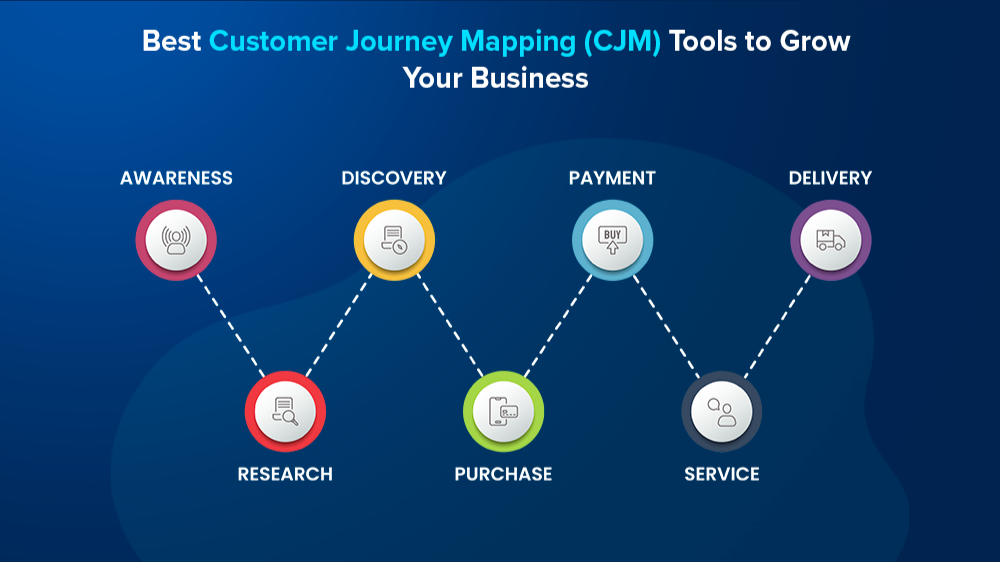
Tracking the entire customer journey helps you understand what attracts, engages, and converts your audience.
Top tools for journey mapping
- Funnel.io
- Hotjar (heatmaps & behavior insights)
- Mixpanel
- Kissmetrics
These tools show exactly where users click, scroll, drop off, or decide to buy.
Benefits
- Identify friction points
- Improve user experience (UX)
- Increase conversion rates
4. Rise of No-Code Analytics Platforms
In 2025, marketers no longer need coding skills to create dashboards or analyze customer data.
Popular no-code analytics tools
- Looker Studio
- Tableau
- Notion + AI analytics integrations
- Airtable
These platforms allow anyone on your team to build real-time dashboards, track KPIs, and visualize data without IT support.
5. Heatmaps & Behavior Tracking Gaining Popularity
User behavior analytics is essential for improving website UX and conversions.
Tools leading the way
- Hotjar
- Microsoft Clarity
- Crazy Egg
What they show you
- Where users click
- Which sections they ignore
- How far they scroll
- Why they abandon pages
Data like this helps eliminate friction and massively boosts conversions.
6. Attribution Tools Become More Accurate (and More Needed)
With customers interacting across 20+ touchpoints, attribution has become complex.
2025’s top attribution tools
- Triple Whale (e-commerce)
- Wicked Reports
- Northbeam
- Google Attribution inside GA4
Why attribution matters
It shows you which marketing channels actually drive revenue so you can stop wasting money.
7. Real-Time Data Dashboards for Faster Decisions
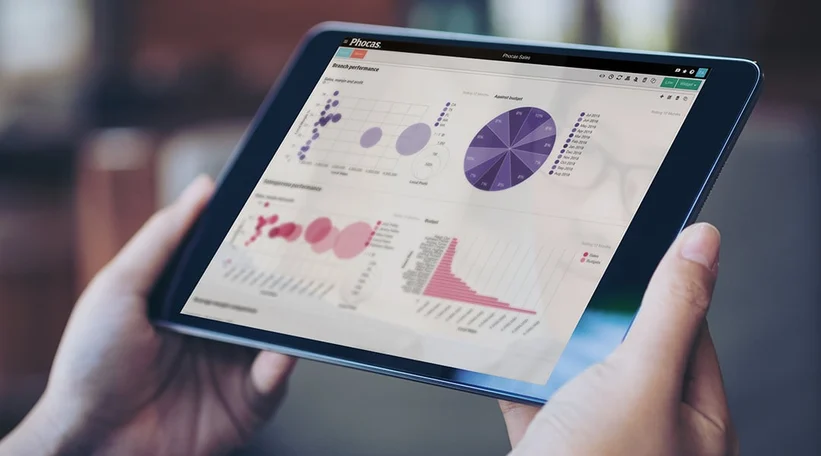
Marketers in 2025 rely heavily on real-time dashboards to track performance instantly.
Tools for real-time dashboards
- Looker Studio
- Databox
- Power BI
These dashboards give you:
- Live ad performance
- Real-time website metrics
- Social media analytics
- Funnel tracking
Speed = competitive advantage.
8. Privacy-Focused Analytics Tools Growing Rapidly
With stricter privacy laws in 2025, marketers are moving toward cookieless and privacy-compliant analytics.
Privacy-first tools include
- Plausible
- Fathom Analytics
- Matomo
These tools are lightweight, GDPR-friendly, and don’t rely on invasive tracking.
9. Integrated Marketing Stacks Becoming Essential
Instead of using 10 different tools, marketers prefer integrated platforms that combine analytics, automation, CRM, and reporting.
Top integrated marketing platforms
- HubSpot
- Zoho Marketing Plus
- Salesforce Marketing Cloud
- Klaviyo (for ecommerce)
This creates a single source of truth and makes scaling easier.
10. AI Chatbots as Data Collectors
Chatbots are now key analytics tools because they gather real user data—directly from conversations.
How chatbots help analytics
- Capture customer questions and objections
- Provide insights into purchase intent
- Collect feedback faster than surveys
Chatbots double as customer service and analytics tools.
Final Thoughts
Analytics and tools in 2025 are smarter, faster, and more integrated than ever. Businesses that embrace these innovations can:
- Make better data-driven decisions
- Improve customer experiences
- Optimize campaigns efficiently
- Boost conversions and revenue
To stay ahead, invest in tools that provide automation, AI insights, and actionable data—without complexity.
If you’d like, I can create:
📊 A comparison table of the top analytics tools
📌 A carousel version for Instagram
📝 A downloadable PDF version
📈 A checklist for choosing the right analytics tools